Pack Light, Leave a Lighter Footprint: The Best Sustainable Luggage
Flying somewhere soon? Good. But here's something nobody really talks about when they post those dreamy airport selfies. Your suitcase itself has a carbon footprint. And not a tiny one.
Traditional luggage is usually made from virgin plastic. Hard shells, zippers, handles, wheels. All of it contributes to pollution and waste in ways most people never think about. The average traveler replaces their suitcase every few years when a wheel falls off or a handle jams, and those broken bags pile up in landfills by the millions.
The better way? Buy something built to last, made from recycled or natural materials, and produced through low-impact processes. Or better yet, use what you already have. Borrow from a friend. Check secondhand stores. But if you genuinely need a new suitcase, this list will point you toward brands that actually care about the planet instead of just greenwashing their way through marketing.
What Makes a Suitcase Actually Sustainable
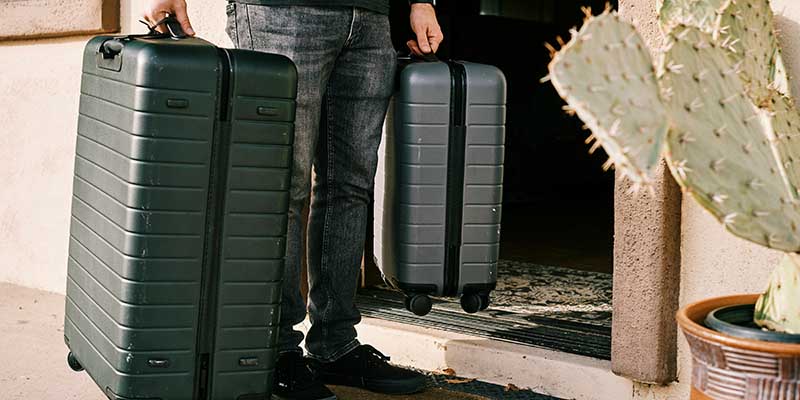
Here's the thing. You can't just trust a green label on a website. You need to look under the hood. Here are the main things to check:
1. Quality and durability
A cheap bag that breaks after three trips is worse for the environment than an expensive one that lasts a decade. So ignore the price tag and focus on build quality. Look for brands that offer repair services or sell replacement parts.
2. Materials used
The best sustainable luggage uses recycled polyester from plastic bottles, recycled nylon from old fishing nets, or recycled polycarbonate from post-consumer waste. Some brands are even getting creative, using old CDs or coffee grounds in their shells.
Avoid virgin plastics whenever possible. Also watch out for toxic chemicals like phthalates and PFAS, which some cheaper luggage brands still use.
3. Production transparency
Brands that hide where their products are made usually have something to hide. The good ones tell you outright about their factories, their labor practices, and their carbon offset programs.
And remember this: the most sustainable suitcase is the one you already own. If yours still rolls straight and zips shut, keep using it.
Our Top Picks for Eco-Friendly Luggage
1. Paravel
Carry-on price: 445−525
Paravel has become something of a status symbol among sustainable travelers. Founded in 2016 in New York, the brand has already recycled more than eight million plastic bottles and offset over 26,000 metric tonnes of carbon dioxide. Their Aviator line is carbon-neutral certified, and every single component down to the zippers uses recycled or upcycled materials.
The outer shell uses durable recycled polycarbonate, the interior lining comes from up to 15 recycled water bottles, and the vegan leather trim is also recycled. Even the handle is made from aircraft-grade recycled aluminum.
But here's the honest part. Some users report that lighter colors scuff easily, and customer service has drawn complaints for being slow to respond. Still, for design-forward travelers who want luxury aesthetics without the environmental guilt, Paravel delivers. Oprah and the Hadid sisters have been spotted carrying them, if that matters to you.
2. Monos
Carry-on price: 215−355
Monos has a simple philosophy: less but better. The brand focuses on creating timeless pieces that you won't want to replace after a few seasons, and that approach has earned them a loyal following. The carry-on features a durable polycarbonate shell made with recycled materials, and each bag includes a wraparound zipper that adds 1.6 inches of extra depth for last-minute packing.
Monos is Climate Neutral Certified and a member of 1% for the Planet, donating a portion of revenue to environmental causes. After more than three years of testing, one reviewer noted that while an older suitcase eventually cracked, the overall quality and low-toxicity materials made it worth the investment. Users frequently praise the smooth wheels, sturdy handle, and clean aesthetic.
The brand offers a 100-day trial period and a limited lifetime warranty that covers handles, wheels, and zippers. If you want something that looks like luxury but costs half of what Rimowa charges, this is probably your best bet.
3. Patagonia
Carry-on price: 359−399 (wheeled duffels)
Patagonia has been doing this sustainability thing longer than almost anyone. The brand is a certified B Corp, a member of 1% for the Planet, and famously gave away the entire company to a trust dedicated to fighting climate change.
For luggage, their Black Hole wheeled duffels are the standout choice. The body fabric is 100% recycled polyester ripstop, the lining is 100% recycled polyester, and the webbing is 100% recycled nylon. The TPU-film laminate is also post-industrial recycled, which is impressive.
These bags are weather-resistant, built like tanks, and come in sizes from 40L to 100L. The 100L version weighs just 3.5 pounds empty, which is ridiculously light for that much capacity. They also make them in Fair Trade Certified factories, meaning the workers earn a premium for their labor. For adventure travelers or anyone who tends to overpack, this is hard to beat.
4. Solgaard
Carry-on price: 235−345
Solgaard has built its entire brand around ocean plastic. Each carry-on case uses about 229 ocean-bound plastic bottles, and the company has pulled over 12 million bottles from rivers and coastlines worldwide. Their signature feature is the built-in removable closet system, a set of five shelves that compresses into the suitcase and can be hung up at your destination. No unpacking required.
The exterior uses a thermoplastic composite that shows a 14 percent boost in impact resistance over standard polycarbonate. Instead of a zipper, the case uses a clasp closure, which some travelers love and others find annoying. For every purchase, Solgaard removes five pounds of plastic waste from the environment. If organization and ocean cleanup appeal to you, this brand is worth a serious look.
5. Cotopaxi
Duffel/backpack price: 200−350
Cotopaxi is a brand that flies a bit under the radar compared to Patagonia, but their sustainability credentials are rock solid. Currently 94% of their products contain sustainably minded materials, and by 2025, they aim to use recycled, repurposed, or responsibly sourced materials across their entire product line. Their newer Coraza collection debuts a GRS-certified 100% recycled polycarbonate shell with removable recycled polyester liners.
The brand is also known for its colorful, eye-catching designs, which come from using remnant fabrics that would otherwise go to waste. Each bag is essentially unique. Cotopaxi is a certified B Corp and puts a heavy emphasis on ethical manufacturing and poverty alleviation. If you want something that looks different from every other suitcase at baggage claim, this is your brand.
6. CALPAK
Carry-on price: 195−325
CALPAK has exploded in popularity over the last couple of years, especially among younger travelers who care about both aesthetics and sustainability. Their ReNew Collection uses 100% recycled PET material from plastic water bottles, transforming waste into sleek, durable suitcases in a range of fun colors. The brand also offers a lifetime warranty on their hard-shell luggage.
What sets CALPAK apart is the balance between affordability and style. You're not paying luxury prices, but the bags look like they cost twice as much. The interior organization is thoughtful, with multiple compartments and compression straps. For travelers who want to dip their toes into sustainable luggage without dropping $500 on a carry-on, CALPAK is a solid entry point.
7. Horizn Studios
Carry-on price: 370−460
Horizn Studios is the Berlin-based brand that Europe can't stop talking about. GQ Germany named them the best luggage brand of 2026. Their RE Series is constructed from old CDs and 97% recycled materials, and the production process is 99% waste-free. Horizn was also the first luggage brand to earn a PETA-approved vegan label, meaning absolutely no animal products anywhere.
Their Circle One range introduces BioX, a patented hard shell made from flax-fiber weave that is lighter than aluminum, longer lasting than polycarbonate, and greener than anything else on the market. The M5 Essential carry-on weighs about 7.5 pounds and holds 37 liters, with a front compartment designed specifically for laptops. Everything ships in reusable cotton dust bags and plant-based compostable packaging. For minimalist travelers who value German engineering and cutting-edge materials, Horizn Studios is tough to beat.
8. Roam
Carry-on price: $495+
Roam is for travelers who want full control over how their luggage looks. The brand assembles all suitcases in Georgia, USA, and lets customers customize almost everything: shell color, zipper color, wheel color, handle color. You can build a bag that looks like no one else's. The interior lining is antimicrobial and made entirely from recycled materials, and Roam offers a limited lifetime guarantee covering non-cosmetic damage.
The price is steep, starting at nearly $500 for a carry-on. But for American-made luggage with serious customization options and genuine sustainability credentials, there aren't many alternatives.
9. Quince
Carry-on price: 130−200
Quince is the budget option on this list, but don't mistake affordable for cheap. The brand works directly with factories to cut out middlemen, which keeps prices low. Their carry-on luggage is made from recycled polycarbonate and eco-friendly packaging, and they've been called the most affordable sustainable luggage brand by multiple reviewers.
The tradeoff is that Quince doesn't have the same depth of sustainability reporting or third-party certifications as some of the bigger names. But if you're on a tight budget and still want to make a better choice than buying virgin plastic luggage from a department store, Quince gets the job done.
10. Level8
Carry-on price: 250−380
Level8 is a New York-based brand that has been gaining serious traction. Their interior linings are made from recycled PET across multiple product lines, including the Adventurer, Polaris, and Creator series. The brand uses German Makrolon polycarbonate for its shells, which is lightweight and highly resistant to damage.
They also offset carbon emissions from shipping, participate in tree planting initiatives, and encourage customers to repurpose worn suitcases rather than throwing them away.
The Adventurer carry-on features a front-lid design that gives you quick access to electronics at security, a wide telescopic handle that prevents tipping, and expandability of about 5 liters for bringing home souvenirs. It comes with a lifetime warranty and a 100-day risk-free trial. Some users note it's slightly heavier than ultra-light options at around 9 pounds. Still, for frequent travelers who want durability and organization without the luxury markup, Level8 is worth considering.

Packing Light for a Smaller Footprint
Pack less. Every pound you add increases fuel burn. It's not much per person, but multiplied by millions of travelers, it adds up fast. Stick to versatile clothing that can be mixed and matched. Roll your clothes instead of folding them. You will be surprised how much space that saves.
Ditch the single-use plastic. Those tiny hotel toiletries? They are an environmental nightmare. Bring reusable silicone or stainless steel containers for your shampoo and lotion. Get a solid shampoo bar, which eliminates the need for plastic bottles entirely. Carry a reusable water bottle and coffee cup. Your suitcase will be lighter and the planet will thank you.
Choose sustainable toiletries. Look for non-toxic soaps and shampoos with minimal packaging. Several brands now offer aluminum bottles that can be refilled or recycled. Some companies make solid bars that work just as well as liquid versions but weigh almost nothing and produce zero plastic waste.
Bring reusable packing cubes. They help you stay organized and can be used trip after trip instead of disposable bags. Stasher silicone bags are a popular choice because they are durable, leak-proof, and endlessly reusable.
Shopping for Sustainable Luggage Online
When you buy from any of the brands above, here are a few tips to keep in mind.
Check for certifications. Climate Neutral Certified, B Corp, Fair Trade, and GRS (Global Recycled Standard) are all good signs. Look at the warranty before you buy. A longer warranty usually means the brand expects the product to last.
Some brands offer repair services or sell replacement parts. That is a huge plus. Read customer reviews, not just the ones on the brand's website. Look for feedback about durability after months or years of use.
And if you are shopping on a budget, consider secondhand. Sites like eBay, Poshmark, and REI's used gear section often have barely used suitcases from these same brands. The most sustainable purchase is the one that keeps something out of a landfill.
A Few More Thoughts
Sustainable luggage has come a long way in just the last few years. When I first started looking into this stuff, the options were either ugly, flimsy, or outrageously expensive. That is not the case anymore. Brands have figured out how to make recycled materials look good, feel solid, and last a long time.
Start with one piece. A carry-on that fits most airlines. Use it for a few years. See how it holds up. Then, when you need a checked bag or a weekender, go back to the same brand or try something new. You do not have to replace everything at once.
Related Posts

Plus Size Workwear Guide Office Outfit Ideas That Flatte
Mastering Men Casual Outfits Your Ultimate Guide to Stylish Everyday Looks
Casual Church Outfits A Practical Guide to Dressing Comfortably, Modestly, and Stylishly

How Fashion Brands Greenwash Sustainability (and What to Watch For)
Is Resale Fashion Better Than Fast Fashion? Full Comparison